
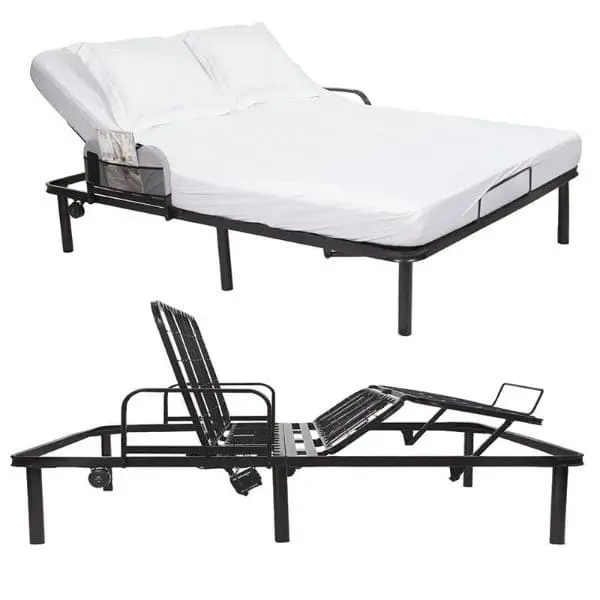
Choosing a hospital bed for home use involves more than finding a comfortable place to sleep. The right bed can make repositioning, transfers, personal care, and everyday activities more manageable.
Whether you’re preparing for recovery after surgery, helping an aging family member, or managing long-term mobility limitations, understanding the different types of hospital beds is an important first step.
At All Star Medical, we help customers consider both the person using the bed and the caregivers who may assist them.
A manual hospital bed uses hand-operated cranks to adjust its positioning.
Depending on the model, the head section, foot section, and overall bed height can be adjusted manually.
Manual beds are generally more affordable and don’t require electricity to operate their positioning mechanisms.
The primary disadvantage is that adjustments require physical effort. A person with limited mobility may be unable to reposition the bed independently.
Manual beds may be suitable when adjustments are infrequent and a capable caregiver is consistently available.
A semi-electric hospital bed combines powered positioning with manual height adjustment.
The head and foot sections are typically controlled using a handheld remote. The overall bed height is adjusted using a manual crank.
This allows the person using the bed to change certain positions independently without requiring a caregiver every time.
Semi-electric beds can provide a practical balance between affordability and convenience, particularly when the overall bed height doesn’t need to change frequently.
A full-electric hospital bed allows the head section, foot section, and overall bed height to be adjusted electronically.
This provides greater convenience for both the person using the bed and their caregivers.
For example, raising the bed may make certain caregiving activities easier, while lowering it to an appropriate transfer height can help someone move between the bed and another mobility device.
Full-electric beds are particularly worth considering when adjustments are frequent or physical limitations make manual operation difficult.
|
Feature |
Manual |
Semi-Electric |
Full-Electric |
|
Head adjustment |
Manual |
Electric |
Electric |
|
Foot adjustment |
Manual |
Electric |
Electric |
|
Bed height adjustment |
Manual |
Manual |
Electric |
|
Electrical power required |
No |
Yes |
Yes |
|
Independent positioning |
Limited |
Moderate |
Greater |
|
Relative purchase cost |
Lower |
Moderate |
Higher |
|
Caregiver effort |
Higher |
Moderate |
Generally lower |
Specific capabilities vary by manufacturer and model.
Someone recovering from a temporary injury may have different requirements from someone who needs long-term assistance.
For short-term use, basic powered positioning may provide sufficient convenience.
For long-term care, greater adjustability may become increasingly valuable, particularly if caregivers frequently assist with transfers, dressing, bathing, or repositioning.
Think about the anticipated duration of use and whether the person’s mobility needs are likely to change.
The bed frame is only part of the setup.
A mattress designed for an adjustable hospital bed needs to accommodate the movement of the head and foot sections while providing appropriate support.
Depending on individual needs, mattress options may include:
People with limited mobility may be particularly vulnerable to pressure injuries. The National Library of Medicine’s guide to preventing pressure injuries explains the importance of repositioning and skin protection.
A specialized mattress doesn’t eliminate the need for appropriate repositioning or an individualized care plan. Ask your healthcare provider which mattress type is appropriate.
A bed that works well for the patient should also accommodate the people providing care.
Consider whether caregivers need access to both sides of the bed and whether they regularly assist with transfers or repositioning.
Measure the room carefully and allow space for other necessary equipment, such as a wheelchair, walker, bedside commode, or patient lift.
An electrically adjustable bed height can be particularly helpful when different caregivers need to perform tasks at different working heights.
Bed rails can provide support for certain individuals, but they aren’t appropriate for everyone.
Incompatible or improperly installed rails can create entrapment hazards. Rails should not be used as restraints or as a substitute for appropriate supervision.
Only use rails approved for the specific bed and mattress combination, and discuss their suitability with a healthcare professional.
If you’re purchasing a semi-electric or full-electric hospital bed, find out how the bed operates during a power outage.
Some models include battery backup capabilities, emergency lowering features, or manual adjustment options.
These features vary, so don’t assume every electric hospital bed can be repositioned without electricity.
Not necessarily. The mattress must be compatible with the bed’s dimensions, adjustment mechanisms, and any rail system.
It may be if frequent height adjustments or caregiver assistance are necessary. A semi-electric model may be sufficient when bed height rarely changes.
Yes. Bariatric hospital beds are available with increased weight capacities and wider sleeping surfaces. Specifications vary by model.
Original Medicare may cover certain medically necessary hospital beds when coverage and supplier requirements are met. Full-electric upgrades are generally not covered under standard hospital bed coverage.
The right hospital bed should support everyday care, improve positioning options, and fit comfortably within the home.
Before purchasing, think about the person’s current mobility, anticipated care requirements, mattress needs, and available room space.
Our team at All Star Medical can help you compare equipment and identify important considerations before making your decision.
Visit our Hermitage showroom or Brentwood showroom, or arrange a virtual consultation to discuss your home care needs.
3520A Central Pike
Hermitage, TN 37076
615-730-9438
332 Southgate Ct
Brentwood TN 37027
615-567-6116
Monday-Friday: 9am-5pm
Saturday & Sunday: Closed

[copy content=”PIN6″]Click here to copy to clipboard[/copy]