
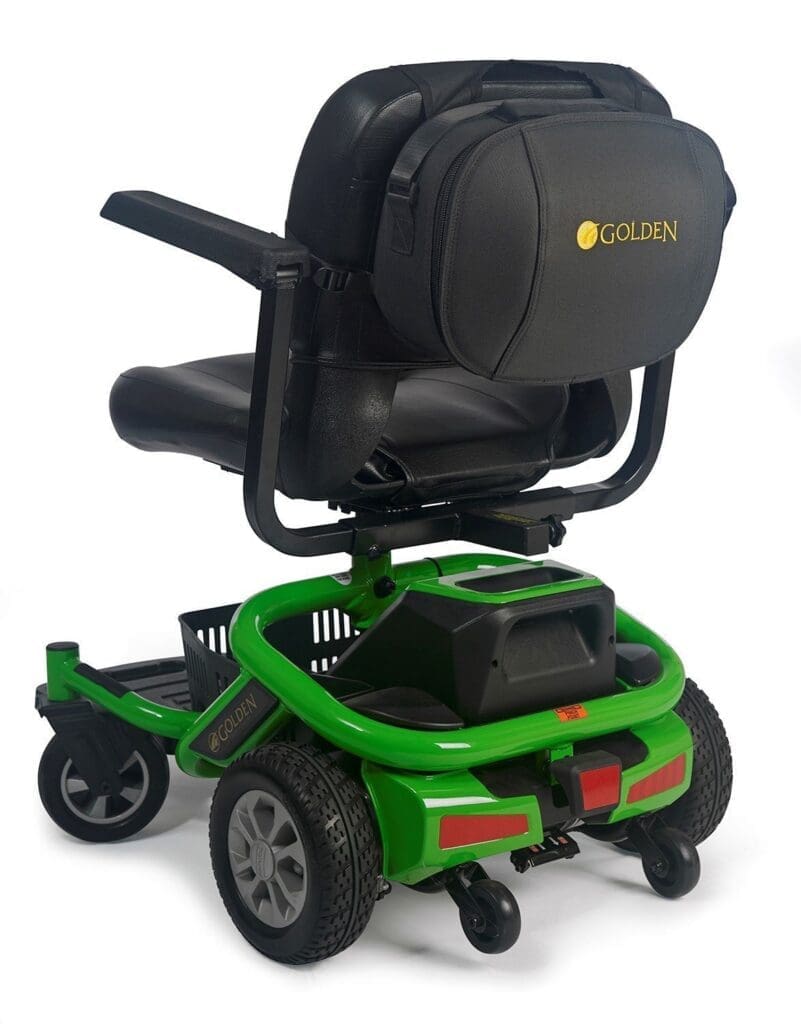
When people shop for mobility equipment, they often focus on specs, price, and availability. Horsepower, weight limits, turning radius, battery range. All important.
But there’s another factor that quietly determines whether the experience is smooth or frustrating.
Local support.
Mobility scooters and power wheelchairs aren’t plug-and-play products. They’re personal, physical, and long-term. Where you buy them matters just as much as what you buy.
Mobility needs change.
What works today may need adjustment six months from now. Batteries wear out. Seating needs evolve. Health conditions fluctuate.
This is why many customers choose to work with All Star Medical instead of treating mobility equipment like a one-time online order. Ongoing access to knowledgeable support makes a real difference over time.
Buying a scooter or power wheelchair online can look convenient. But that convenience often disappears when real-world issues show up.
Common challenges include:
Local providers help prevent these issues before they happen by asking the right questions upfront.
Mobility equipment must fit more than the user.
It has to fit:
A scooter that works well in a showroom may struggle in tight hallways. A power wheelchair that looks compact online may still be difficult to transport.
Seeing equipment in person allows you to test maneuverability, seating comfort, and ease of use in a way photos can’t replicate.
One of the biggest advantages of local support is side-by-side comparison.
Trying multiple scooters or wheelchairs back to back helps answer questions like:
These details are difficult to evaluate without hands-on experience.
That’s why many customers visit the Hermitage showroom or Brentwood showroom to test equipment before committing.
Local providers understand the environments their customers live in.
That includes:
This knowledge helps steer customers away from equipment that looks good on paper but struggles in real-world use.
The purchase is only the beginning.
Over time, users may need:
Having a local team that understands your equipment history simplifies these situations significantly.
This is especially important for power wheelchairs and mobility scooters, where small issues can quickly affect daily independence.
Coverage questions add another layer of complexity.
Understanding what Medicare or insurance may cover, what documentation is required, and what options exist outside of coverage is easier when working with experienced staff.
Local providers help navigate this process realistically, setting expectations early and avoiding unnecessary delays.
Local doesn’t always mean in-person.
For those who can’t visit a showroom easily, a virtual consultation can still provide meaningful guidance. Reviewing layouts, discussing daily routines, and narrowing options remotely can save time before an in-person visit or delivery.
Mobility equipment should support not just how you move today, but how your needs may evolve.
Local guidance helps answer forward-looking questions like:
These considerations often matter more than a single feature comparison.
Choosing a mobility scooter or power wheelchair isn’t just about picking a model.
It’s about choosing the right level of support.
When you have access to knowledgeable guidance, hands-on testing, and ongoing service, mobility equipment becomes a tool that supports independence instead of a source of frustration.
Whether you visit in person or start with a consultation, working with a local provider can make the entire experience smoother and more confident from day one.
3520A Central Pike
Hermitage, TN 37076
615-730-9438
332 Southgate Ct
Brentwood TN 37027
615-567-6116
Monday-Friday: 9am-5pm
Saturday & Sunday: Closed

[copy content=”PIN6″]Click here to copy to clipboard[/copy]